Uncle Ron Powell:
The love of bribie
13 February – 9 March 2026
The Love of Bribie stands as both a celebration of Uncle Ron’s lifelong connection to place and a living foundation for future artistic exploration — grounded in generosity, curiosity, and respect for the many stories that shape this land and water.
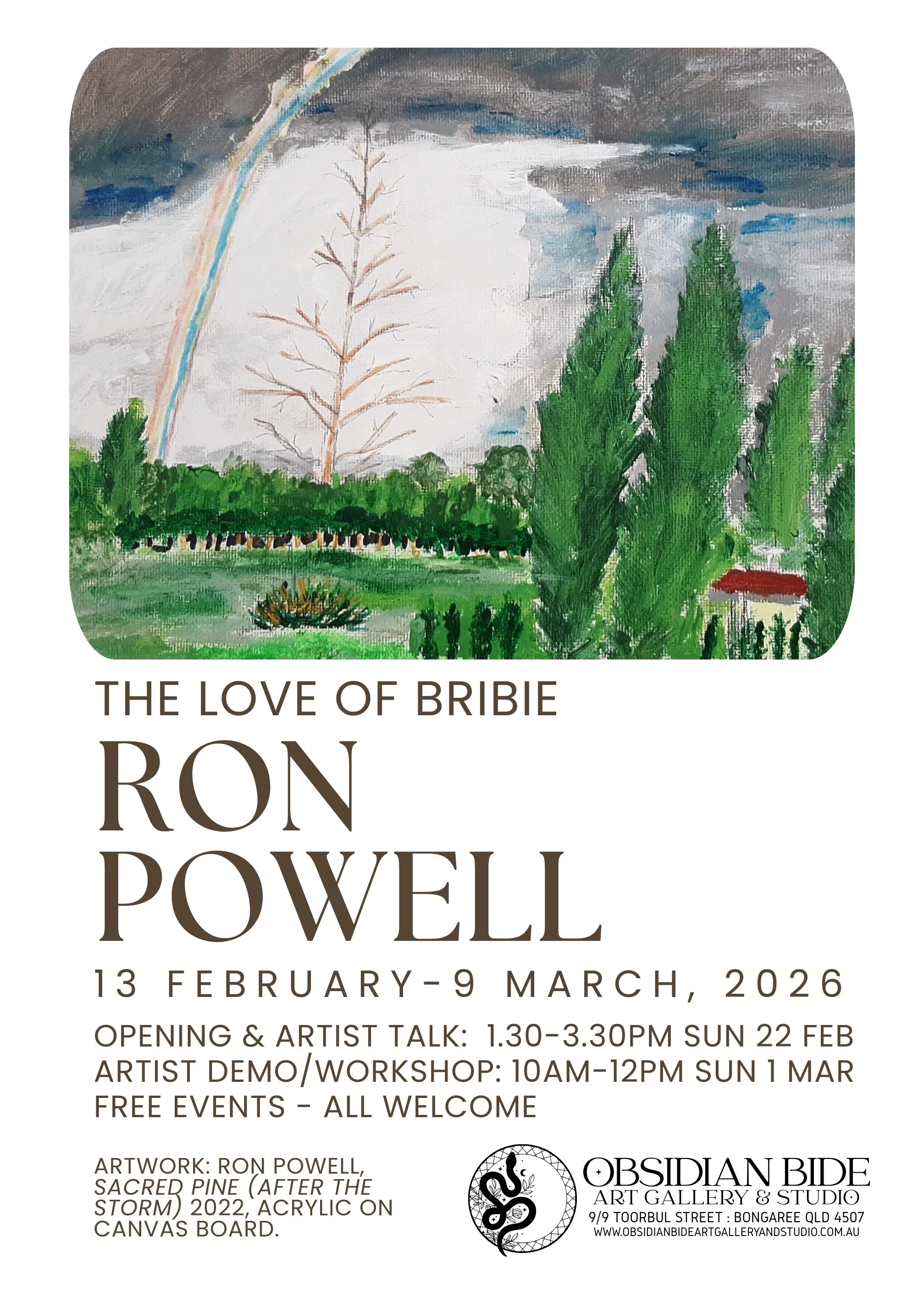
Exhibition Dates: 13 February – 9 March 2026
Opening: Sunday 22 February
Time: 1:30pm – 3:30pm
Artist talk: : Sun 22 February at 2:00pm.
Venue: Obsidian Bide: Art Gallery & Studio, Shop 9, #9 Toorbul St, Bongaree, Bribie Is (Yarun), Moreton Bay Region
Admission: Free
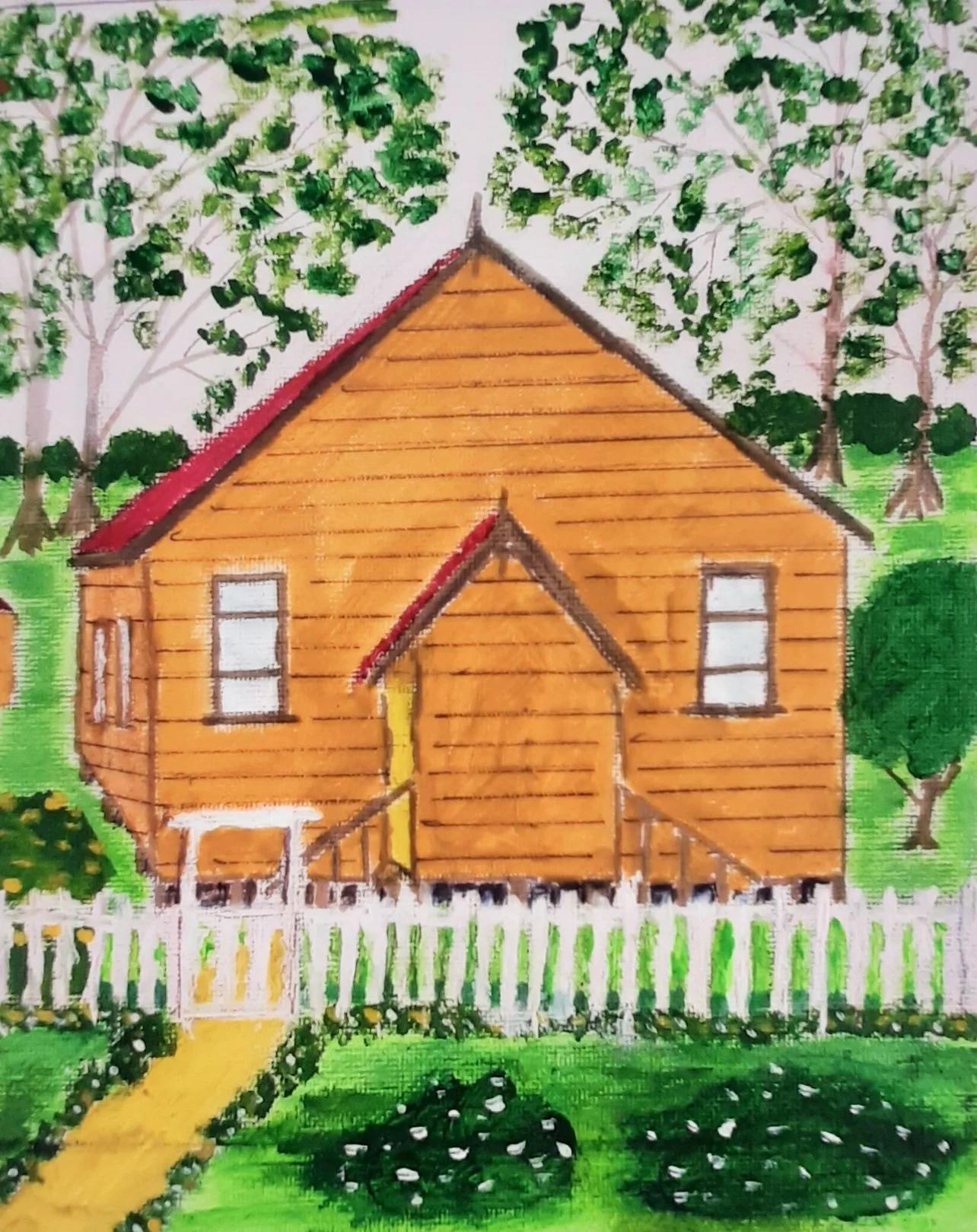
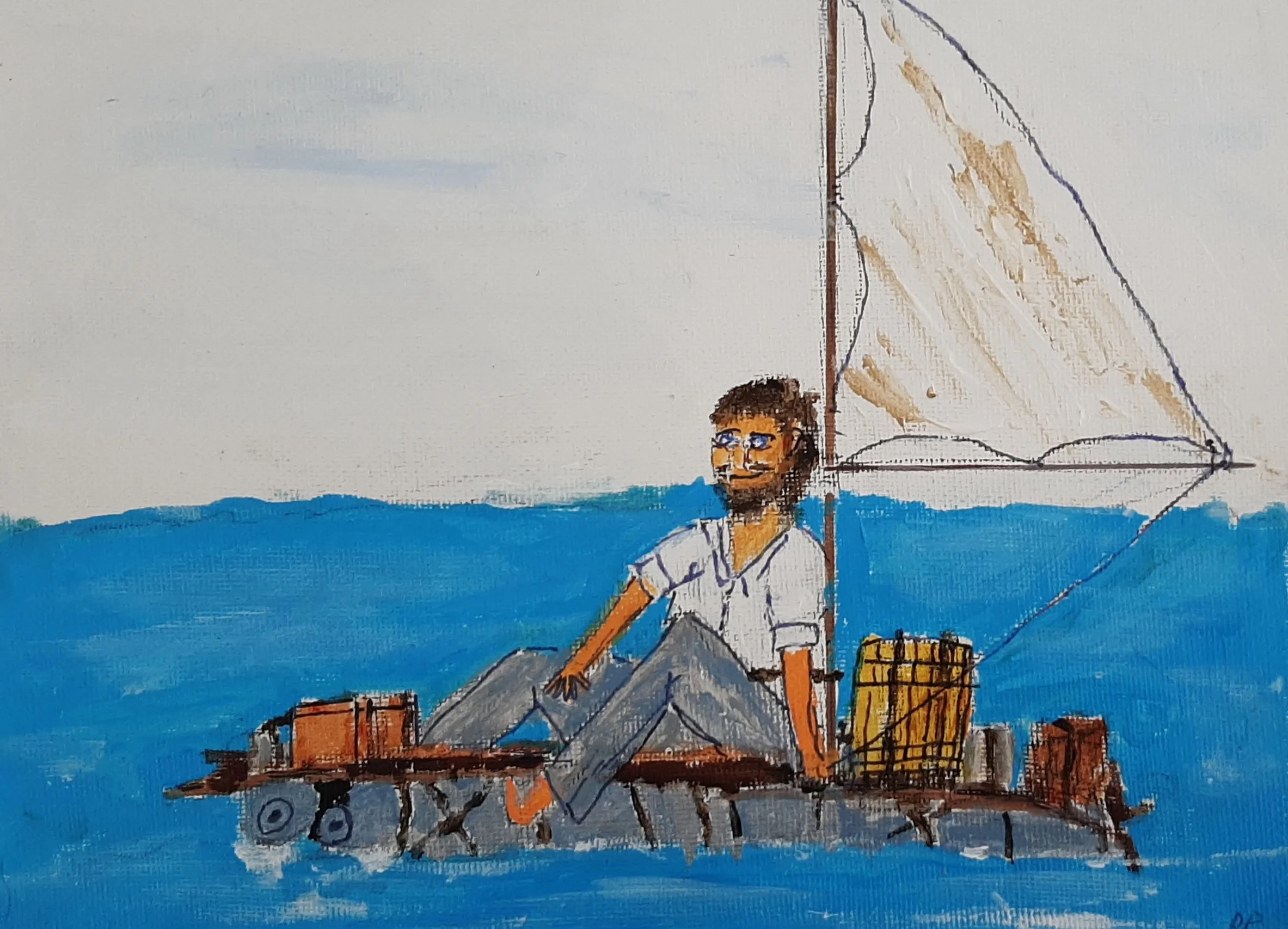
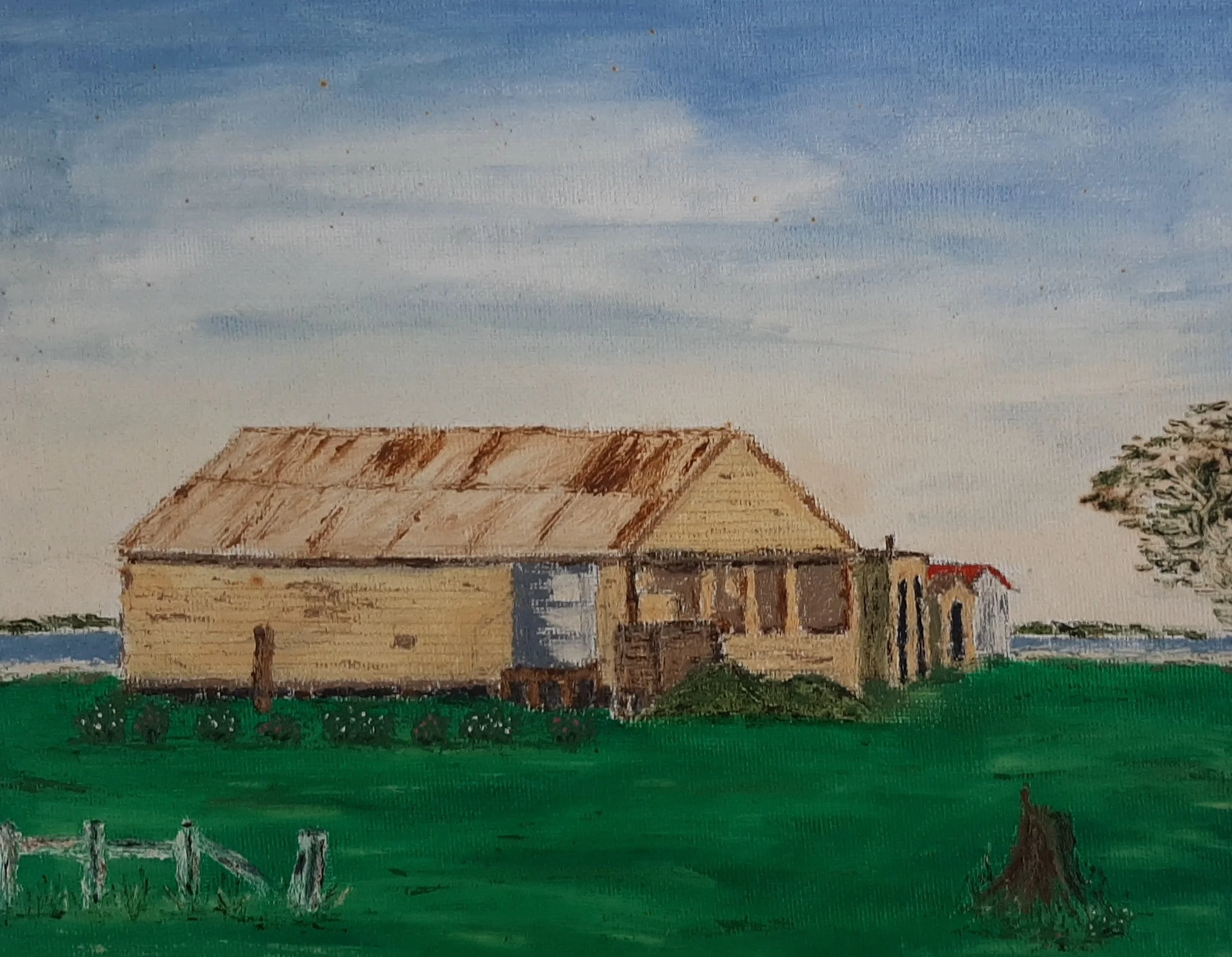
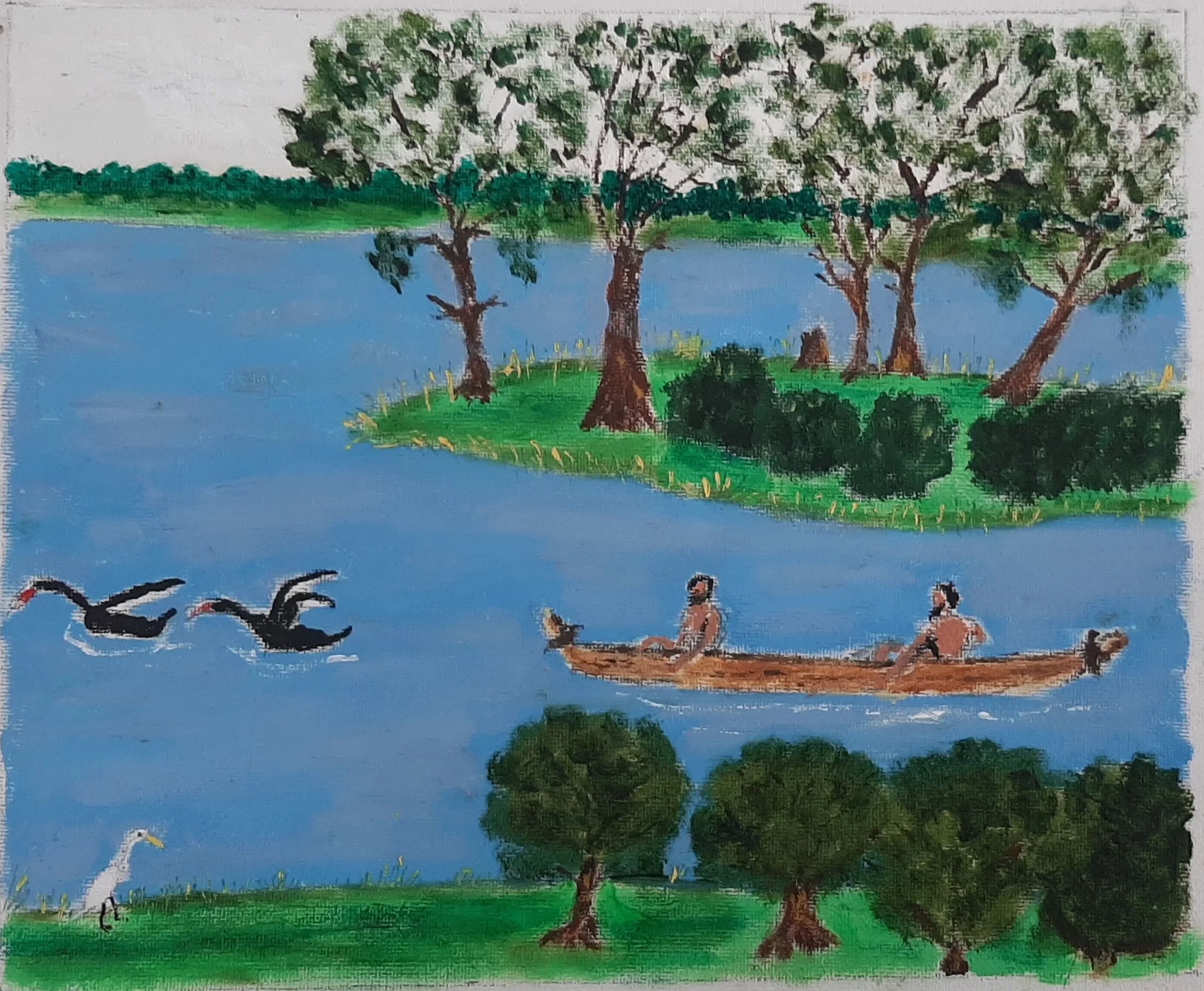
The Love of Bribie is a solo exhibition by long-time Bribie Island resident Ron Powell, affectionately known locally as Uncle Ron. The exhibition brings together painting, research, and collective memory to reflect on the history of the oyster industry on Bribie Island, the Pumicestone Passage, and the wider Moreton Bay region.
At the heart of this exhibition is a quiet act of sharing. When artist and curator Felicia Lloyd spoke with Uncle Ron about her plans to research the history of oyster reef farming in the Passage, his response was simple: “I’ve written a book about that, you know?” In the late 1980s, Ron was engaged by the Moreton Bay Oyster Company to research and document the oyster industry — its practices, its changes, and its place in the region’s story. Decades later, that body of work becomes a point of connection between generations, practices, and ways of knowing.
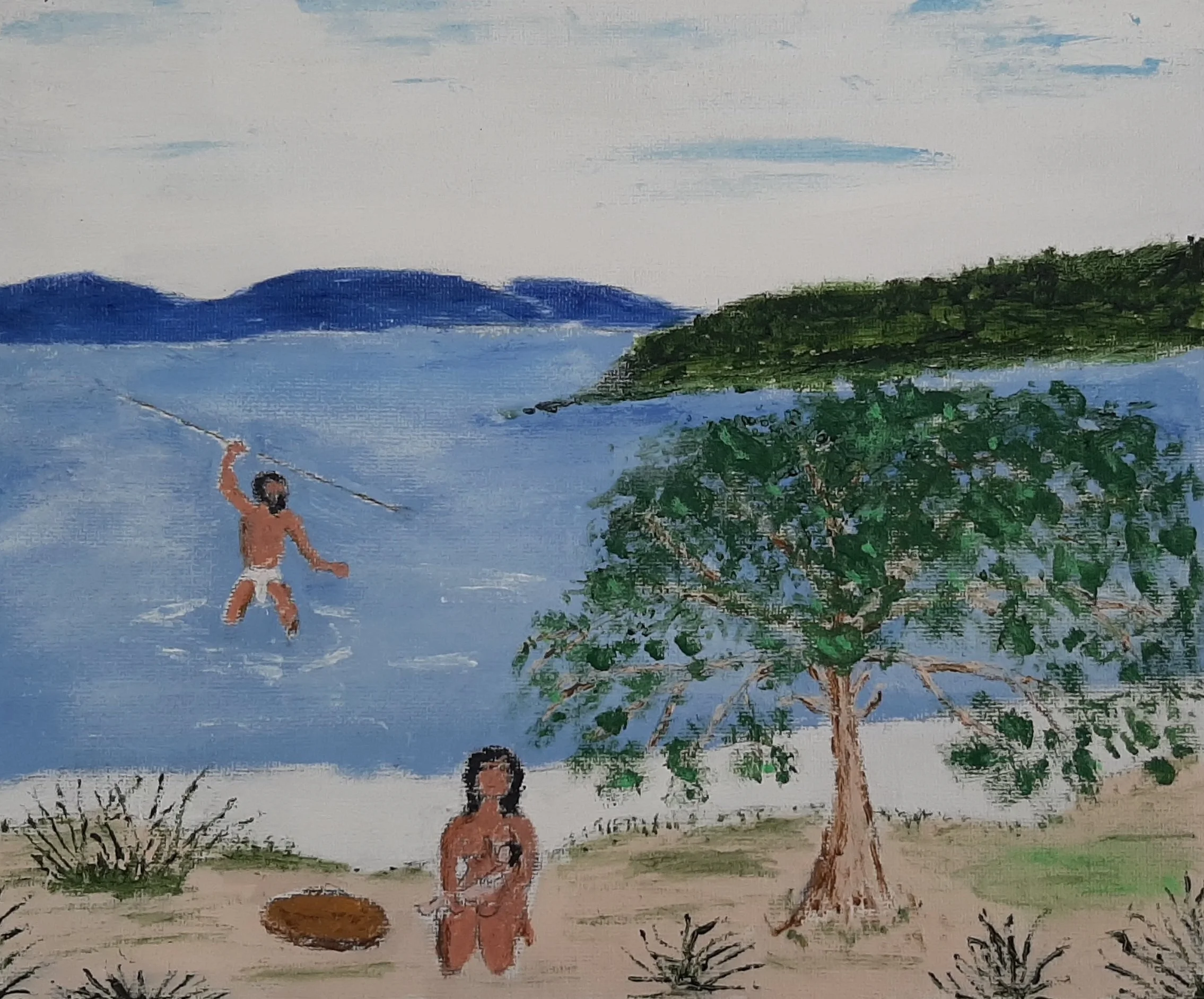
Ron’s paintings are not illustrations of history, nor are they arguments. Instead, they offer moments of observation: landscapes shaped by industry, weather, time, and human intervention. Where reefs once thrived; skies carry both promise and aftermath. These works hold space for complexity — acknowledging the profound impact of the oyster industry on the Passage while also recognising the irreversible damage done to ecosystems and the impacts on First Nations peoples during this period of extraction and change.
True to Uncle Ron’s nature, the exhibition avoids judgement. There are no conclusions imposed, no opinions argued. What is offered instead is an invitation: to look closely, to listen, and to consider history as one perspective among many — a perspective that becomes richer when shared, questioned, and expanded through collective memory.